
Health
Check out the Christmas Fantasy House benefiting the Ronald McDonald House
By Marcus Chen
Advertisement · Why this ad?
Marcus manages the day-to-day editorial workflow across all brands, coordinating coverage assignments and ensuring editorial standards are met. He previously served as city editor at the Pioneer Press and holds a degree in Political Science from Carleton College.
More from Marcus →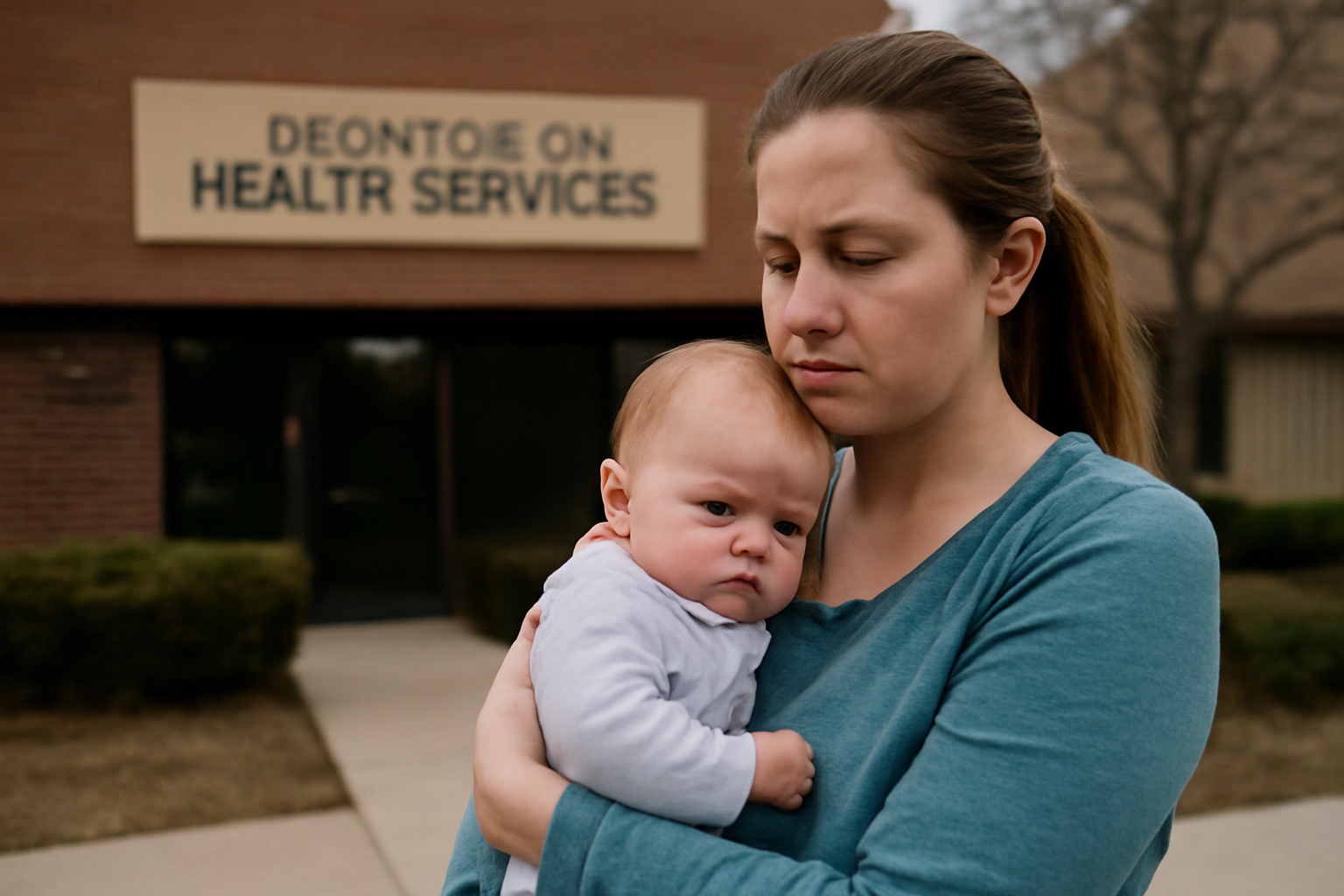
The loss of an infant to measles in southwestern Wisconsin marks a somber turning point for the state, the first such death in 36 years, state health officials announced Thursday. This tragic event underscores the severity of Wisconsin’s ongoing measles outbreak, which has already infected hundreds and highlights the critical importance of vaccination. While details surrounding the death remain private to protect the family’s grief, the incident serves as a stark reminder of the risks associated with vaccine-preventable diseases and the importance of maintaining high vaccination rates within communities.
The Wisconsin Department of Health Services confirmed the infant’s death, with the coroner citing measles as the cause. This tragic event comes amidst a surge in measles cases across the state, totaling 431 as of Thursday, with nearly all cases occurring in individuals who were not vaccinated. Nine people have been hospitalized due to measles complications. According to Dr. Ryan Westergaard, chief medical officer for the Wisconsin Department of Health Services, the current case count “is almost certainly an underestimate,” as not everyone infected seeks testing or medical attention. The number of cases reported in 2026 represents more than ten times the number from 2025, a dramatic increase from the near-zero cases seen in previous years.
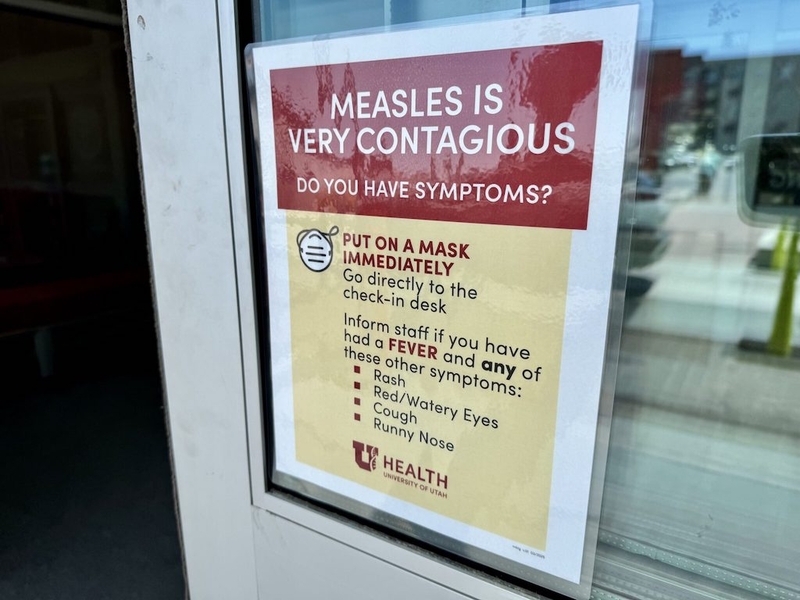
The U.S. had previously eradicated domestic measles transmission by 2000 through widespread vaccination, but recent years have seen a decline in vaccination rates, falling below the 95% coverage needed to prevent outbreaks. Measles is highly contagious, spreading through the air and remaining viable in a room for up to two hours after an infected person has left. This makes it particularly dangerous, as even brief exposure can lead to infection. The MMR vaccine, providing approximately 97% protection with two doses, is the primary defense against measles, but vaccination rates in Wisconsin are currently at 85% for kindergarten-age children, significantly lower than the required 95%.
Kirsten Johnson, secretary of the state health department, expressed deep sorrow, stating, “My heart is broken for the family. Any death of a child is a tragedy and even more so when it is related to a vaccine-preventable disease.” The state's immunization program manager, Dr. Stephanie Schauer, emphasizes the need for awareness of vaccination rates within individual schools and communities. Healthcare providers have administered approximately 42,000 doses of the MMR vaccine statewide since August, and roughly 500-600 infants have received early vaccinations as recommended by the DHS.
The news of the infant’s death has understandably shaken communities across Wisconsin, particularly in the southwestern counties of Grant, Iowa, Lafayette, and Vernon, which have been disproportionately affected by the outbreak. While specific reactions from local residents haven't been publicly shared to protect the family’s privacy, the incident has prompted renewed calls for increased vaccination awareness and accessibility. Dr. Westergaard emphasized that measles is not simply a childhood illness, capable of causing pneumonia, brain inflammation, permanent disability, and death—a message resonating with parents and healthcare providers alike. The virus can cause pneumonia and swelling of the brain, posing particular risks to infants younger than 5 years old, pregnant individuals, and those with weakened immune systems.
Healthcare providers have administered over 42,000 MMR vaccine doses since August, with an additional 500 to 600 infants receiving early doses in the last three months. The WDHS has issued new guidelines recommending early vaccination for infants aged 6 to 11 months who are at increased risk of exposure to measles. The MMR vaccine is 97% effective at preventing measles when the person has completed the medically recommended two-dose course.
The measles outbreak in Wisconsin continues to pose a significant public health challenge. With nine hospitalizations and 431 cases reported, the state is working to contain the spread and prevent further deaths. Dr. Westergaard stressed the need for high vaccination rates to achieve herd immunity and protect vulnerable populations. The Wisconsin Policy Forum recently released a report highlighting a concerning trend: the percentage of students in grades K-12 meeting minimum immunization requirements is at a near-record low of 87.4% for the 2025-26 school year. Several factors contribute to this decline, including increased required vaccinations, disruption related to the COVID-19 pandemic, and a rise in personal conviction waivers allowing families to opt out of vaccination requirements.
Wisconsinites are encouraged to check their vaccination status and get vaccinated if necessary. The Vaccines for Children program can help families with no or inadequate insurance access vaccines at no cost. Health officials are also targeting students behind schedule in their vaccines and working to reduce the number of personal conviction waivers. The report suggests that public health officials work to target students behind schedule in their vaccines, reduce the number of “personal conviction waivers,” and rebuild trust with the public.
For residents of Grant, Iowa, Lafayette, and Vernon counties, where the majority of cases have been linked, the situation is particularly concerning. The state is urging these communities to take immediate action to prevent further spread.
The tragedy unfolding in southwestern Wisconsin isn’t just about statistics; it’s about a preventable loss that strikes at the heart of our community. While public health officials are doing their part to educate and encourage vaccination, the underlying issue runs deeper than a simple lack of information. The erosion of trust in institutions, coupled with anxieties surrounding medical interventions, has created a climate where even proven safeguards are questioned. As families navigate these complex decisions, it’s crucial to remember that the health and safety of our children are a shared responsibility—a commitment that extends beyond individual choices and impacts the well-being of everyone around us. The rise in measles cases highlights the importance of strong, stable families, where parents feel empowered to make informed decisions based on sound medical advice and a commitment to protecting their children and their neighbors. It’s a reminder that we all benefit when we embrace the values of community and responsibility.
Residents seeking more information about measles, vaccination, or the Vaccines for Children program can find resources at the following locations:
The situation remains fluid, and ongoing vigilance is critical to preventing further spread of measles and protecting the health of Wisconsin residents. With vaccination rates lagging and outbreaks occurring in multiple counties, the community must prioritize informed decision-making and a renewed commitment to public health.
By Marcus Chen

By Katherine Langford
By Katherine Langford

By Marcus Chen